
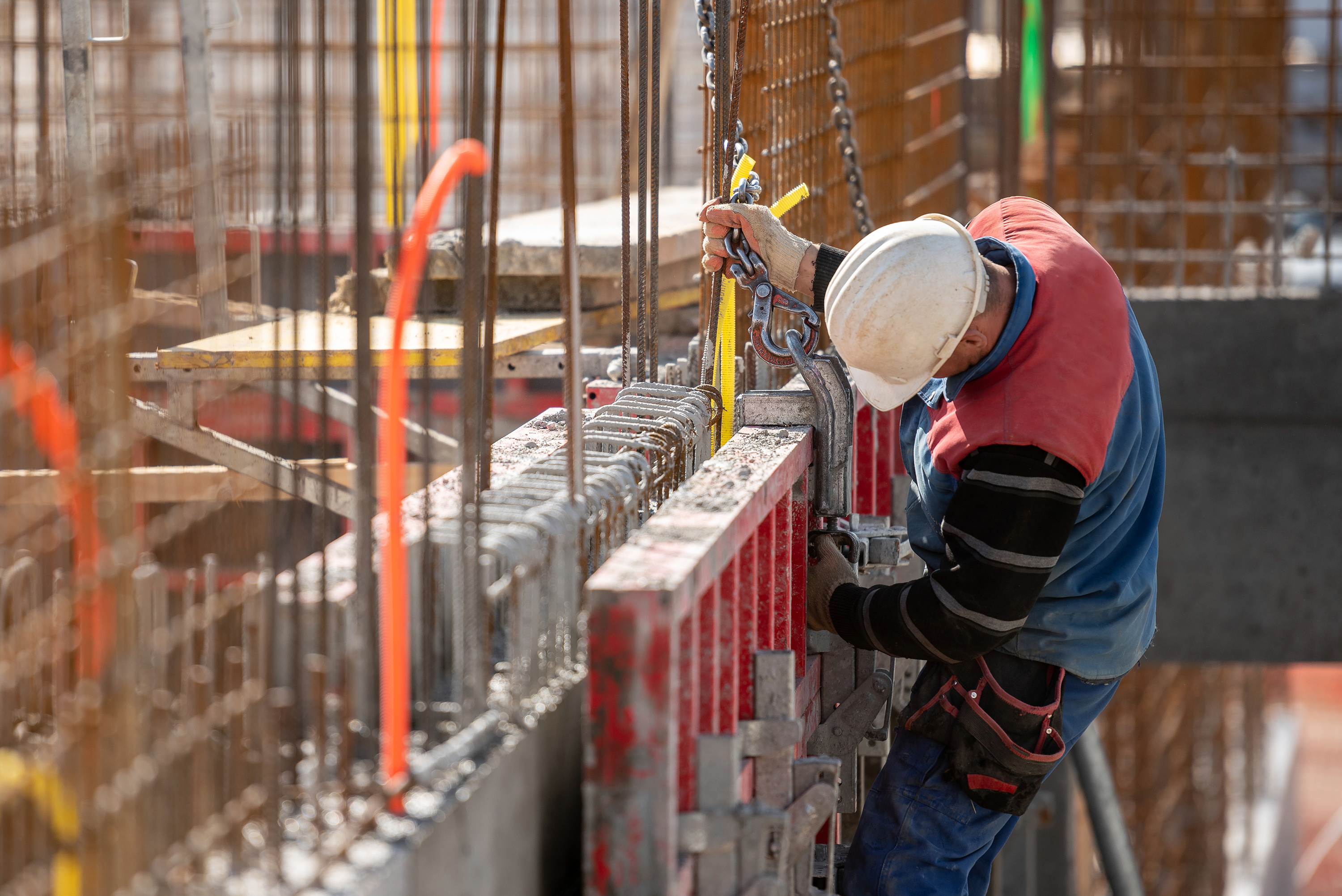
Construction labor shortages
As of 2025, construction remains a critical cornerstone of the US economy, generating about $2.1 trillion annually and supporting up to 12 million workers. (American Institute of Architects, 2025) Out of those 12 million workers, a quarter of them do not come with the tag ‘Made in USA’. Out of that quarter, a third of them are craft workers, which amounts to 1 million workers. Half a million of them are undocumented construction workers. That is a substantial amount of trade proficiency, supervisory experience, and reliable productivity that is keeping construction projects alive and on time for delivery. So, what happens when these qualified workers vanished because of stepped-up immigration enforcement? We will get project delays, lots of project delays or even project cancellation.
This shortage is often treated as a supply issue, but the root of the problem is actually the availability of people who can deliver results without repeated intervention, a.k.a experienced workers (Construction Management Information Company, 2025). When this pipeline weakens, so does the delivery pace.
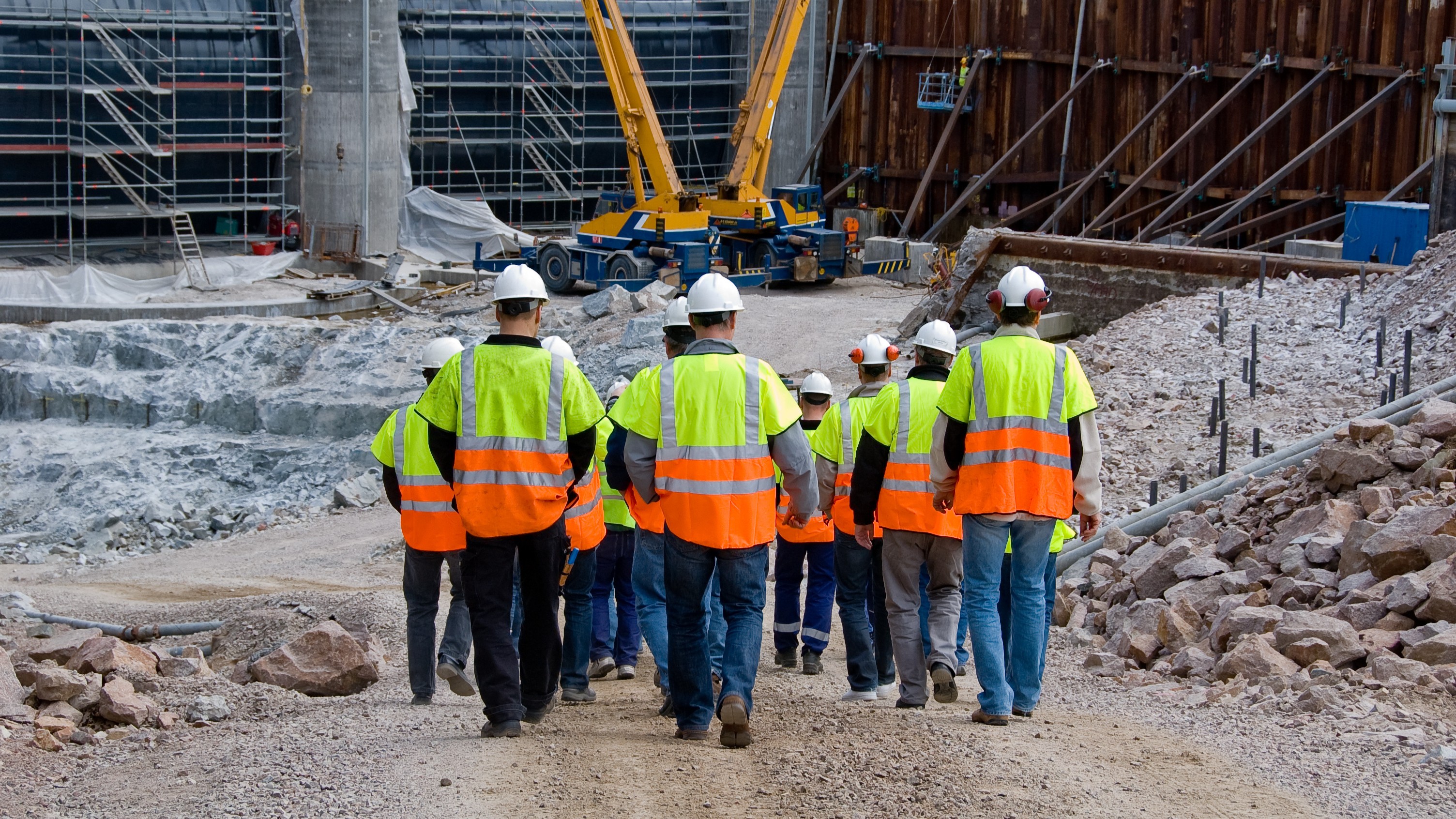
A remedy
As Newton’s Third Law of Motion would have it, for every action (force) in nature, there is an equal and opposite reaction. When the labor shortages came about, many firms took charge to keep their current workforce afloat by raising their workers’ base pay as much or more than they did the previous year. A few companies were looking into targeted digital advertising to connect better with younger applicants. Some increased their spending on training and professional development. Along that line, certain firms have engaged with career-building programs at high school, college or technical education institutions.
“There is the urgent need to grow our construction workforce and illustrates there is a great need to continue our recruiting efforts and provide accelerated learning opportunities.”
(Boyd Worsham, 2025)
President and CEO of National Center for Construction Education and Research
While all these are sound solutions to overcome the labor shortage in the long term, it still does not negate the fact that it will take years to rebuild domestic workforce development programs and does not address the immediate shortage problem.
The impact of labor shortages
92% of construction firms report having a difficult time finding workers to hire while 45% of them are facing project delays according to the New Nationwide Industry Survey conducted by the Associated General Contractors of America (AGC) and National Center for Construction Education and Research (NCCER).
45% of respondents reported experiencing project delays due to shortages of their own, or subcontractors’ workers. 78% of the survey respondents reported that they were experiencing at least one project that has been delayed during the past 12 months. When delays happen, consequences of constructions impact not just the project stakeholders but also the national economic growth, employment rates, foreign direct investment and infrastructure development on a larger scale. Meanwhile, on a local scale, cost overruns, disputes, project abandonment will happen. (Patel, Tripathi, & Jha, 2025). While cost overruns are common in the construction industry, having a 12-month delay in a project would have exacerbated the financial situation even more.

How does this affect construction payroll and accounting?
Payroll in construction is complex, regulated and tightly tied to job costing and compliance. Especially for government-funded projects, companies must submit weekly Davis-Bacon certified payroll reports ( (U.S Department of Labor, 2023). When you have fluctuating numbers of workers, errors in payroll data will become a source of agony. How do you keep track of worker classifications, wages and fringe benefits when they do not appear for work suddenly due to deportation?
When labor shortages happen, accounting has to handle more variables per employee as there are multiple pay rates happening and frequent job switching across projects because you now have a smaller workforce shouldering a bigger load. Accounting teams spend more time correcting.
Predictability gets reduced when workforce dwindles. There will be schedule slips that caused delayed billing. There will be overtime spikes which means cash needs are going up. Productivity drops results in compressed margins. This means accounting must reforecast labor costs more often, adjust revenue recognition assumptions, and plan for longer cash conversion cycles.
Hence, it’s crucial that construction businesses can avoid late timesheets, payroll corrections, constant job cost reallocations and post-close adjustments. In a tight labor market, accounting becomes a labor-efficiency tool. Companies with strong accounting systems are the ones who can see labor problems early, protect margins, price risk accurately and survive the labor volatility. Sage Intacct Construction Payroll handles certified payroll, union rules, and multiple job rates, which is the compliance infrastructure contractors need if workforce composition shifts rapidly. When labor is scarce, the fastest way to stabilize accounting is automation, standardization and earlier visibility
In summary:
- The construction industry is experiencing labor shortages.
- Labor shortages have led to many companies delaying or cancelling their projects.
- Project delays and abandonment are affecting payroll and accounting.
References
American Institute of Architects. (2025, July 22). American Institute of Architects. Retrieved from July 2025 Consensus Construction Forecast: https://www.aia.org/resource-center/july-2025-consensus-construction-forecast
Associated General Contractors of America. (2025, August 28). AGC The Constr5uction Association. Retrieved from New Survey Finds Construction Workforce Shortages Are Leading Cause Of Project Delays As Immigration Enforcement Affects Nearly 1/3 Of Firms: https://news.agc.org/workforce-development/workforce-shortages-delay-projects/
Construction Management Information Company. (2025, July 13). CMiC Construction Software. Retrieved from The Impact of Skilled Labor Shortages on Productivity in Construction: https://cmicglobal.com/resources/article/The-Impact-of-Skilled-Labor-Shortages-on-Productivity-in-Construction
Patel, D., Tripathi, K. K., & Jha, N. K. (2025). Impact of Delay on Real Estate Development Projects: An Empirical Study. Journal of Legal Affairs and Dispute Resolution in Engineering and Construction, 1-33.
U.S Department of Labor. (2023, October 23). U.S Department of Labor. Retrieved from Wage and Hour Division: Davis-Bacon and Related Acts: https://www.dol.gov/agencies/whd/government-contracts/construction


.png)